

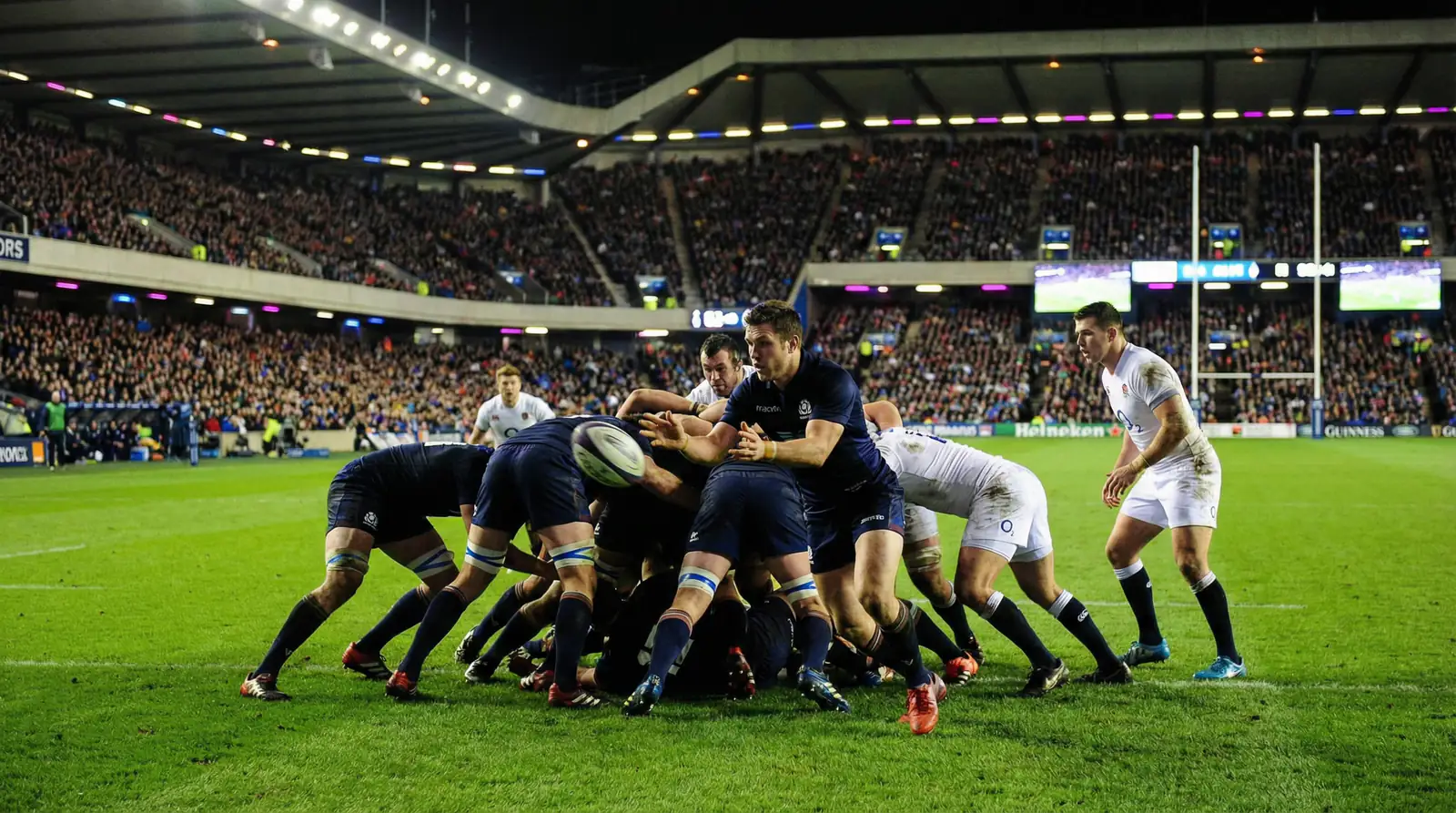
Rugby World Cup matches are rarely decided in the first twenty minutes. The ebb and flow of a test match, the tactical chess between coaches, and the brutal physical toll across eighty minutes create an environment where in-play betting thrives. Unlike pre-match markets, live betting rewards those who can read the game as it unfolds, spotting opportunities that the odds compilers haven’t yet priced in. The 2027 tournament in Australia will deliver dozens of matches spread across six weeks, and for punters willing to watch closely, the in-play markets will offer value that pre-match betting simply cannot match.
Why Live Betting Suits Rugby World Cups
The structure of a Rugby World Cup creates ideal conditions for in-play wagering. Pool stages feature mismatches where Tier 1 nations face emerging teams, and these games often follow predictable patterns that become clear within the opening quarter. A dominant pack establishes territory, penalties arrive, and the scoreboard tilts. But the interesting part happens when the expected script deviates. A red card, a key injury, or a surprise try against the run of play can shift the live odds dramatically, often overreacting to a single event.
Tournament rugby also behaves differently from regular internationals. Teams frequently start conservatively, especially in knockout matches, keeping their powder dry and waiting for the opposition to crack. This conservatism means that first-half scoring often undersells what the second half will deliver. Bettors who understand this rhythm can exploit inflated half-time totals or find value on the team that trails at the break but has the deeper bench.
The 2027 format introduces a Round of 16 for the first time, adding an extra knockout round. That means more sudden-death matches, more tension, and more cautious opening halves. For in-play bettors, this expansion is a gift. More knockout games equal more opportunities to bet into markets that haven’t adjusted to the conservative early tempo that knockout rugby almost always produces.
Reading Momentum Shifts in Real Time
Momentum in rugby is not an abstract concept. It manifests in territory, possession phases, penalty counts, and scrum dominance. When a team wins three consecutive penalties in the opposition’s half, the live odds should be moving, but they often lag. Bookmakers use algorithms that weight the scoreboard heavily, meaning a team that dominates territory but hasn’t scored yet may still be available at generous odds.
Substitutions are another momentum signal that casual bettors overlook. Front-row replacements around the 50-60 minute mark can completely reshape the scrum battle. A tiring loosehead prop replaced by a fresh impact player can swing the set piece, and with it, the penalty count and field position. Coaches at World Cups tend to use their bench strategically, often holding back finishers who can exploit tired defences in the final quarter. Watching the bench and anticipating substitution patterns gives in-play bettors an informational edge.
The concept of a “golden period” in rugby, typically the ten minutes after a score, is well-documented. Teams that concede a try often suffer a psychological dip, and the scoring team rides an adrenaline wave that produces a cluster of points. Live markets adjust to the score itself but often underestimate the probability of a quick follow-up score. If you spot a team with its tail up after crossing the line, the next-scoring-team market may still offer value before the odds catch up.
Weather as an In-Play Variable
Australia in October and November can serve up wildly different conditions depending on the venue. Perth might deliver a dry, fast track. Brisbane could produce humidity that saps forward packs. Melbourne, famously, might deliver four seasons in a single half. Weather doesn’t just affect the pre-match outlook; it evolves during the game, and in-play bettors who monitor conditions in real time gain an advantage.
Rain arriving mid-match changes everything. Handling errors increase, kicking becomes the dominant tactic, and try-scoring typically drops. If you’re watching a match where the first half was played in sunshine and the forecast shows rain for the second, the under on second-half points becomes attractive. Similarly, a wind shift can turn a territorial battle on its head, suddenly giving one team the advantage at the posts that the other enjoyed for forty minutes.
Heat is the underrated factor for the 2027 tournament. Matches in Sydney or Brisbane during October can push temperatures above 30 degrees Celsius, and this disproportionately affects teams from the Northern Hemisphere who arrive from autumn conditions. Watch for European teams fading in the final quarter of afternoon kickoffs. Their fitness may be elite, but acclimatisation is a separate issue, and the live odds on Pacific Island or Southern Hemisphere teams tend to shorten late in these matches for good reason.
Markets That Shine During Live Play
Not all in-play markets are created equal. The match winner market is the most liquid but often the least generous, since bookmakers prioritize keeping it tight. The smarter play is to focus on derivative markets where the algorithms are less sophisticated and the odds move more slowly.
Next team to score is a market that rewards game-reading. If a team has spent five minutes camped on the opposition’s five-metre line, recycling phases and drawing penalties, the probability of them scoring next is significantly higher than the live odds typically suggest. The key is acting quickly. These markets often suspend during sustained attacking phases, so placing your bet during a brief stoppage in play, such as a scrum reset or injury assessment, gives you the window.
The handicap market in-play is where experienced rugby bettors find their edge. Consider a scenario where a strong favourite leads by only 7 points at half-time in a pool match they were expected to win by 20. The live handicap may have adjusted to -10.5 for the second half, but if you’ve watched the first forty minutes and seen the favourite dominating territory without converting, that line looks generous. Tournament favourites in World Cup pool matches almost always pull away in the second half once the opposition’s energy fades.
Total points markets also deserve attention during the game. First halves at World Cups tend to be tight, particularly in knockout matches. If the first half produces only 10 points in a game with a pre-match total set at 45.5, the live over/under will have adjusted downward, but it may have overcorrected. Second halves in rugby frequently outscore first halves, and tired defences concede tries that would have been unthinkable in the opening exchanges.
Timing Your Bets: When Patience Pays
The biggest mistake in-play bettors make is rushing. The odds immediately after a try or a card are the worst time to bet, because the market has just reacted to the event and overpriced the new situation. The smart approach is to wait for the correction. After a team scores, the odds on their opponent lengthen, but if the opponent then wins the restart and sets up in good field position, those odds will shorten again, though rarely back to where they were. That brief window of correction is where value lives.
Half-time is the single best moment for in-play betting at a World Cup. The market has had fifteen minutes to digest the first half, coaches have made tactical adjustments, and the odds reflect the current scoreline. But they often don’t fully account for the tactical changes coming. A team that was being beaten at scrum time might switch to an uncontested scrum strategy, or a coach might bring on a kicking fly-half to change the game plan entirely. If you’ve watched the first half closely and can anticipate these adjustments, the half-time markets frequently offer mispriced odds.
The final ten minutes are treacherous but potentially rewarding. Fatigue produces errors, substitutes change the dynamic, and teams protecting a lead often concede late scores that don’t affect the result but do affect the margin and total points. If you’re looking at the over/under on total points with ten minutes remaining, a tight game with fresh finishers on both benches will often produce a late flurry.
The Discipline Factor
In-play betting at a World Cup is a six-week marathon. The sheer volume of matches, from pool games on consecutive days to the tension of knockout weekends, creates a temptation to bet on everything. This is the fastest route to draining a bankroll. The disciplined approach is to select your matches in advance, identify which games are most likely to produce in-play value, and ignore the rest.
Keep a simple rule: never place an in-play bet because you’re bored or because the game is on television. Every bet should have a thesis, whether that’s a momentum shift you’ve spotted, a weather change, or a substitution pattern you’ve anticipated. If you can’t articulate why the market is wrong, you shouldn’t be betting. The World Cup will deliver plenty of genuine opportunities across its six weeks. The punters who profit will be those who waited for the right moments rather than chasing every live market that flickered across their screen.
